




Outreach is difficult at the best of times, but it’s becoming even tougher. While many SDRs have historically relied on static templates for email outreach, this approach is becoming less effective by the day.
Buyers are wise to the game now. An email that once included “insert name here” will be instantly sniffed out by many prospects. Worse yet, it may even get the dreaded “flag as spam” treatment.
That means SDRs need to up their game, but how can they do it at scale without reducing their outreach volume? Improving personalization with generative AI can help.
Why Traditional Templates Fail
20 years ago, email marketing was a novel concept. Sellers made compelling pitches to prospects, while buyers were introduced to new and exciting products. Obviously, 20 years is a long time.
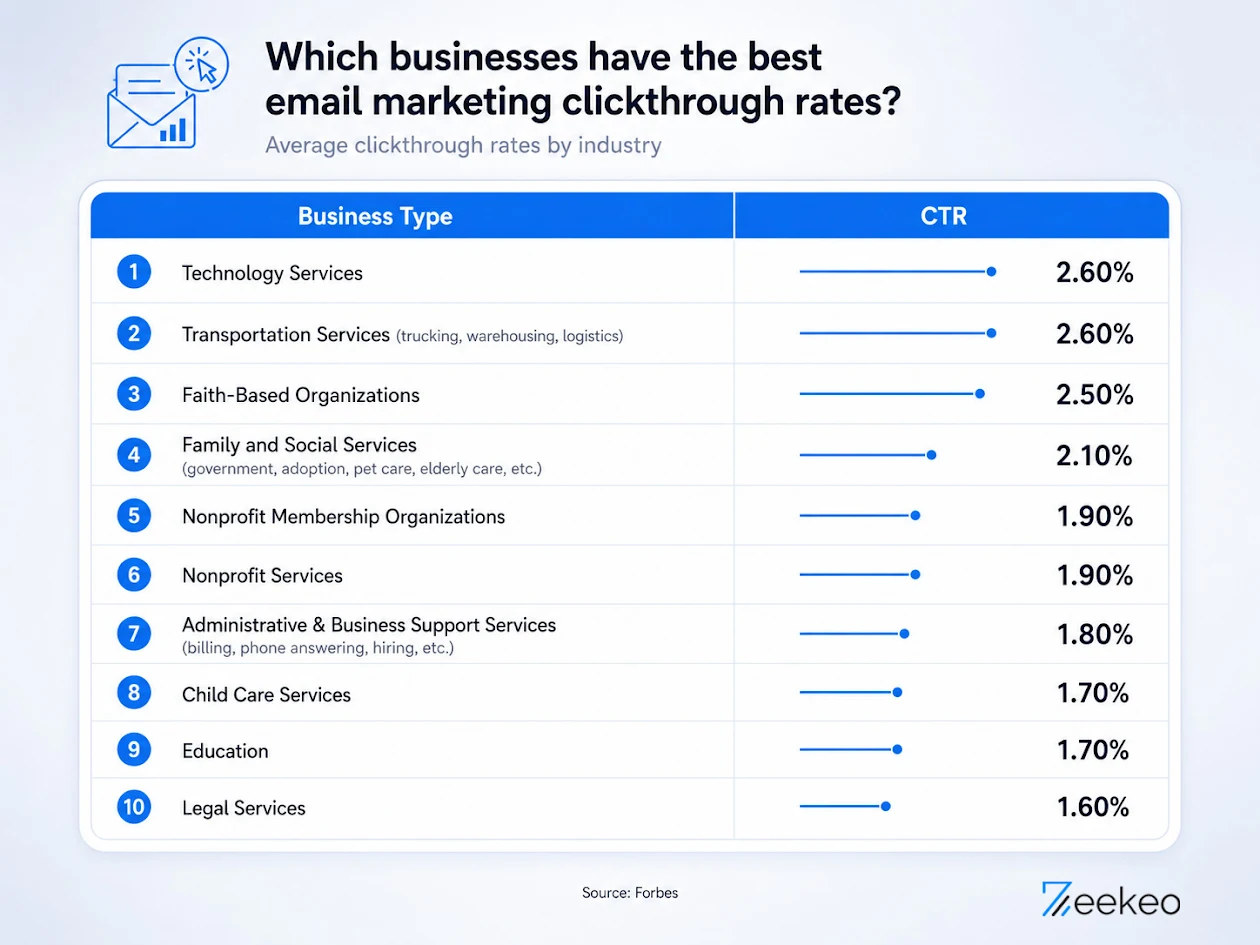
In 2026, email marketing is an inconvenience for the vast majority of workers. For many, it’s little more than something that adds an annoying red number next to the inbox icon. Even if the prospect has a need for your product, there’s a good chance that the email will wind up deleted or overlooked. Clickthrough rate for email marketing is universally low, with the most successful business types still looking at low single-digit clickthrough rates according to Forbes.
That means when the clickthrough comes, your outreach needs to resonate with the prospect. This is where traditional templates fail.
After decades of receiving near-identical pitches from countless marketers, buyers see the patterns shared by traditional outreach templates. Even with properly utilized personalization tokens, buyers can easily sniff out a cookie-cutter marketing email. While email marketing is still an extremely valuable tool, top SDRs are looking toward more personalized, contextual outreach for promising prospects.
The Shift Toward Contextual Outreach
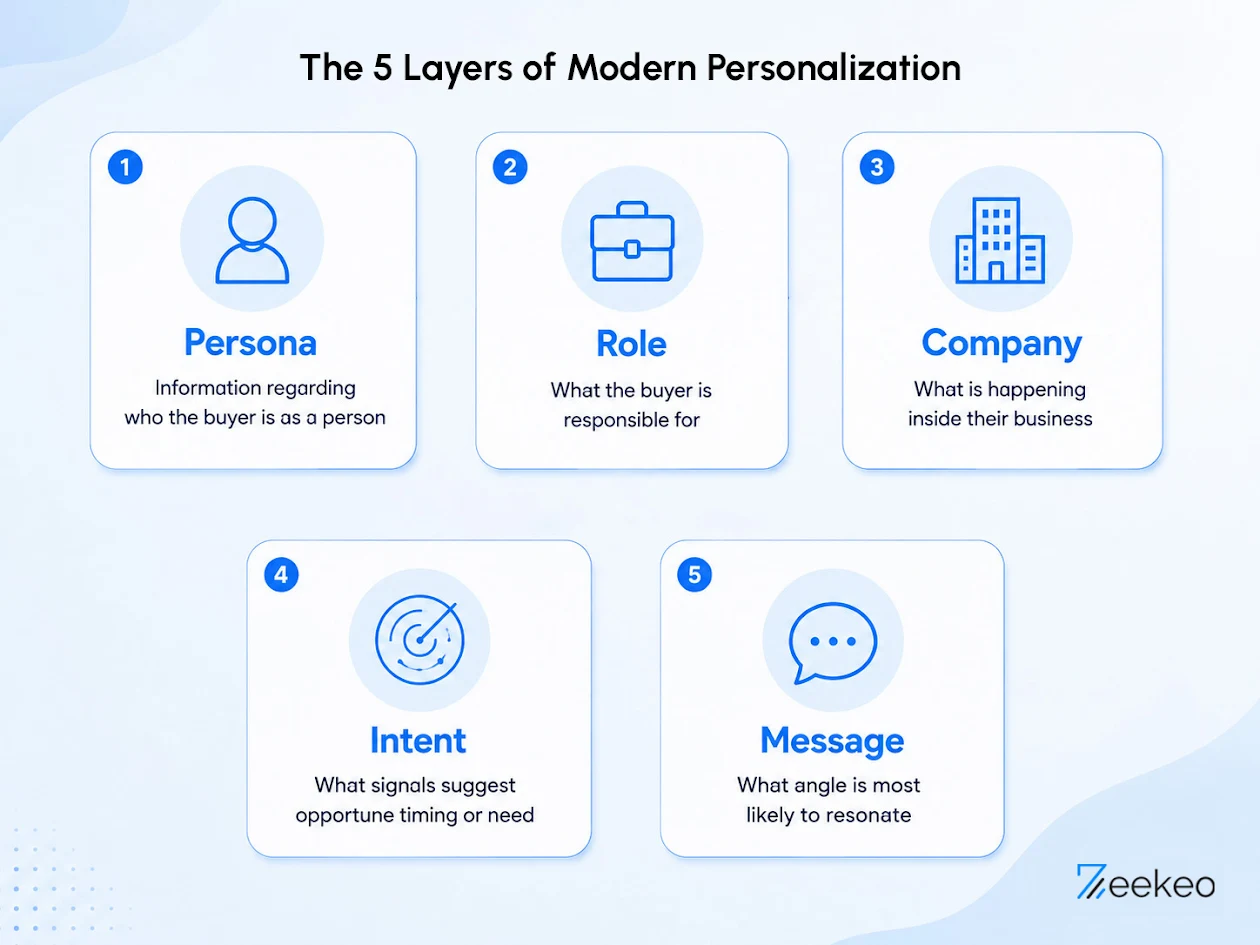
At Zeekeo, we’ve identified five layers of personalization that are critical to consider for modern B2B buyers:
So where do you start with this? LinkedIn, of course!
The power of LinkedIn is no secret to marketers and salespeople at this point, but it’s especially important for contextual outreach. LinkedIn allows SDRs to track prospects’ activity, preferences, and interests before an ice-breaking conversation.
That’s becoming more vital over time. As Bloomberg detailed, there’s a visible and growing divide among LinkedIn users over what kind of content and messaging resonates with them, with age being a major faultline. Outreach that might land with a Gen-Z prospect might be a non-starter with Gen-X buyer. It’s not just age either, as these kinds of divides exist across other facets of a demographic. In this way, the importance of persona-driven messaging is growing rapidly.
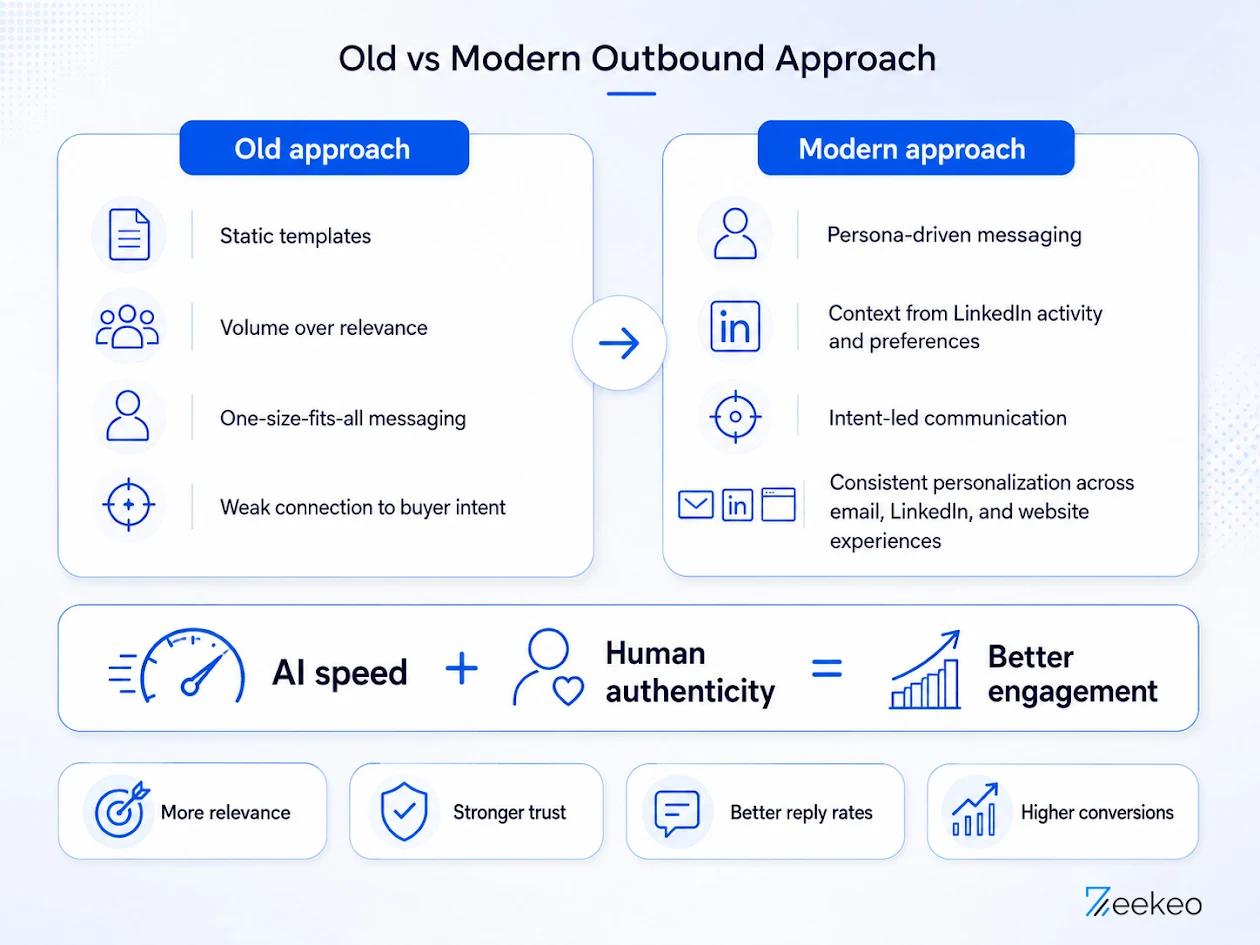
Persona-driven marketing replaces generic outreach with messaging tailored to the specific needs and preferences of a buyer segment. This process drops generic templates in favor of messaging that actually tries to understand the “who” behind every interaction. This shift from volume-based outreach to personalized, tailored communication is essential for maintaining engagement with potential buyers.
Similarly, seeing what kind of content works with prospects on LinkedIn can be leveraged into website-based personalization. This increases the chances of a sale when prospects start independently researching your product, especially when coordinated with a targeted marketing campaign. Having that consistent messaging across multiple platforms only increases the chances of a positive reply.
And of course, intent-led communication remains vital when it comes to any pitch. By understanding the needs and signals of a prospect, SDRs can tailor their messaging to be more relevant to their prospects. Combining this with the general preferences of their target audience has a major impact and leads to higher conversion rates than stock templates.
How DIY Teams Can Scale Personalization
It’s impossible for SDRs, or even a team of SDRs, to come up with a perfect profile of every prospect, adjust outreach accordingly, stay on-message across all platforms, and maintain their existing output.
That’s where AI tools help.
Incorporating AI into a sales team’s workflow helps tailor the tone, style, and messaging of a successful outreach marketing campaign. Rather than making a long series of adjustments based on the specific prospect’s profile and intent, AI improves personalization almost instantly.
When done effectively and when coupled with a consistent brand voice, the recipient gets a message that’s authentic and compelling, but didn’t take your SDR hours to put together. When SDRs are locked in a high-volume outreach campaign, that translates to both a big time-saver and a better conversion rate.
All this said, AI isn’t a replacement for actual human talent and voice.
The Balance Between AI Automation and Human Authenticity in B2B Marketing
While there’s clear value in AI automation for SDRs, ChatGPT can’t replace the human touch.
As highlighted by Trustpilot, one of the key advantages of email marketing is that buyers have greater trust in marketing emails than in other forms of advertising. That trust is eroded when a prospect identifies the bland, robotic messaging of artificial intelligence.
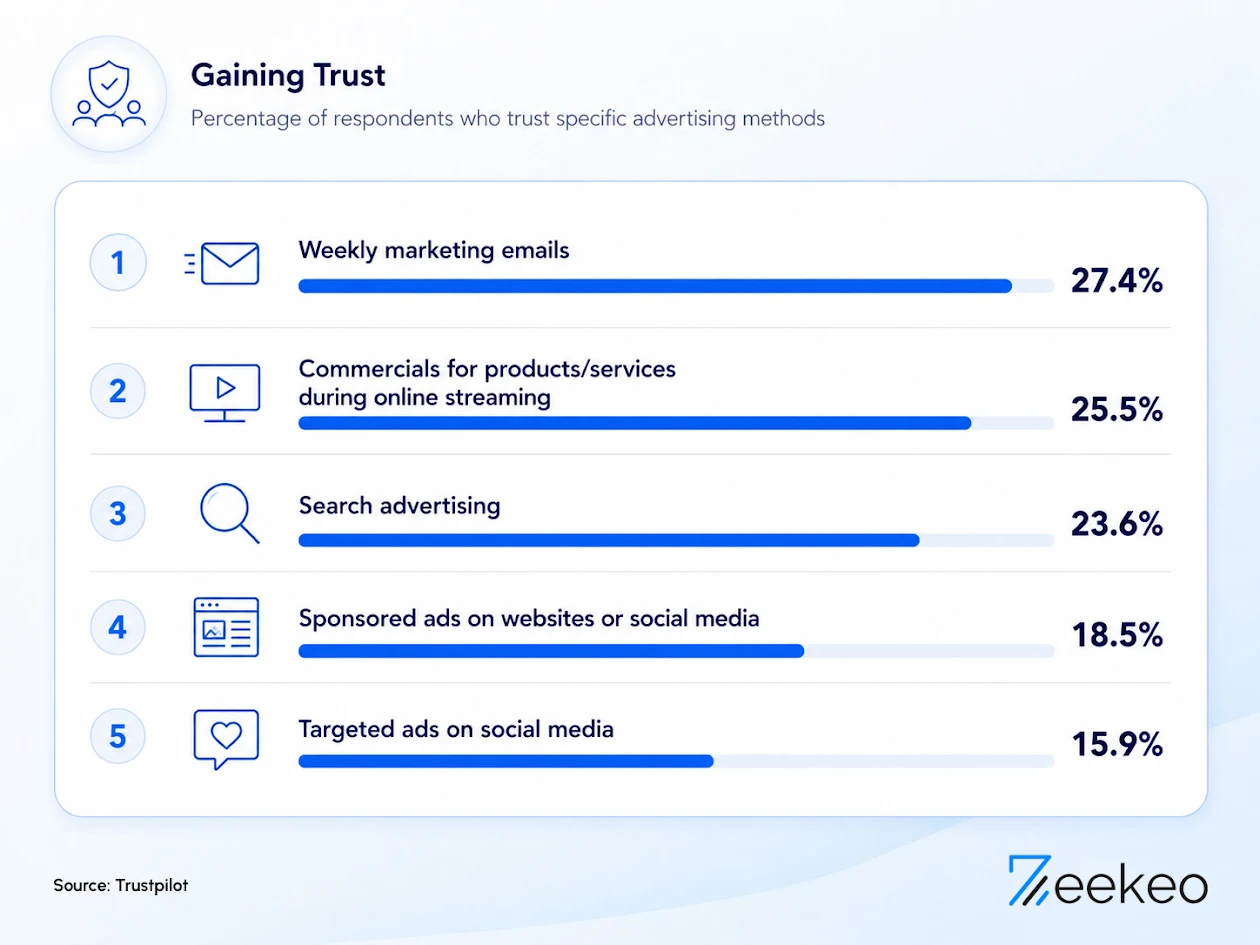
Worse, with millennials and Gen-Zers going from resisting AI to being actively hostile toward it, there’s an entire generation of prospects that could be turned off by poor implementation of AI. And without a human element behind it, that stiffness also typically fails to capture brand voice. Though SDRs can try and prompt their way through this problem, the end solution will always be having a human on-hand to ensure quality.
And as with any new tool, it’s critical to have controlled tests to ensure that it’s both effective and being used properly. According to CBC 95% of AI agents are failing at basic tasks and 95% of companies have yet to see a positive impact on their bottom line when pivoting from human workers to AI agents.
While many companies have proven themselves to be over-eager to replace everything with artificial intelligence, the numbers show that the best approach is to be precise and deliberate when it comes to introducing AI into a team’s workflow.
This is an area that Zeekeo has specialized in. We do not view AI as a shortcut for sending more messages. We view it as infrastructure for making each message more relevant without sacrificing scale.
Our dedicated team has been able to combine our lived, human experience in sales and marketing environments with new technologies. Book a call with us to discuss possible solutions to the bottlenecks in your workflow.
Effective Personalization Isn’t Optional for Marketers
Regardless of team size, workflow tools, or anything else, personalizing outreach isn’t an option anymore. It needs to be done effectively, and the teams that adapt fastest to this development will be the ones that get more attention in the inbox.
Zeekeo can help you improve on this front. Book a call on how we can help modernize your outreach stack and move past generic marketing templates to increase engagement with prospective buyers.
Share this post: